
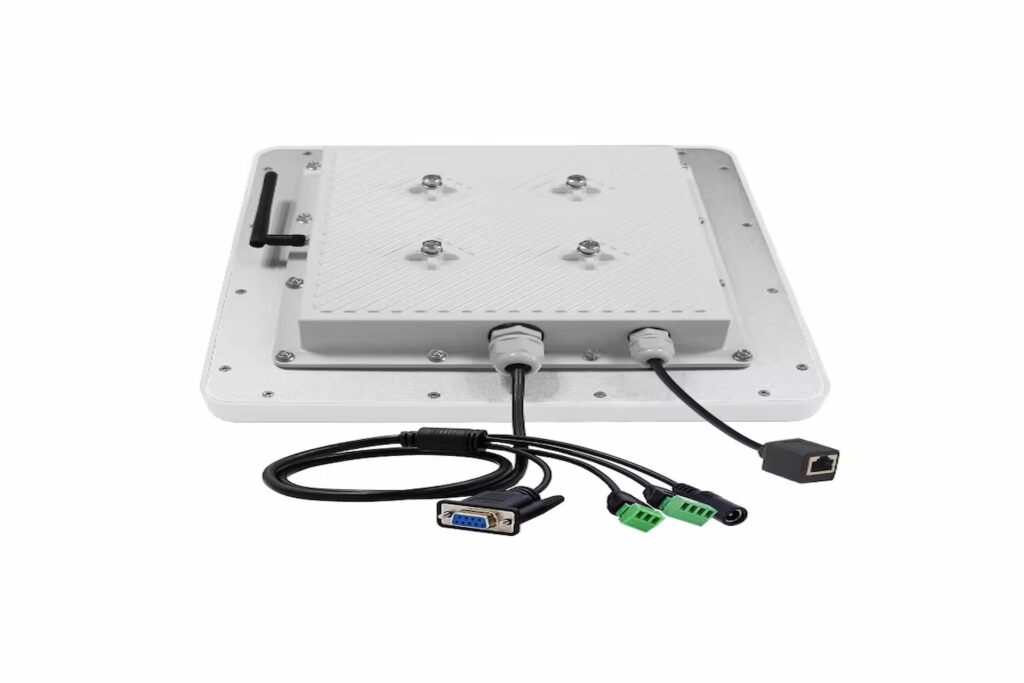
A waterproof electronics enclosure is more than a protective shell—it’s the key to keeping modern devices safe, reliable, and long-lasting. Whether you’re safeguarding sensors, controllers, or DIY tech projects, the proper enclosure ensures your equipment performs flawlessly in any environment.
Modern devices operate everywhere—outdoors, underground, on factory floors, and even near water. Exposure to dust, rain, moisture, and accidental splashes requires dependable housing to remain functional. A waterproof electronics enclosure provides durable, long-term protection, making it a crucial component for safety, reliability, and performance.
Below is a comprehensive guide to innovative methods for selecting, using, and benefiting from these protective enclosures.
1. Choose the Right Enclosure Rating for Your Environment
Every setting has its own risks. Industrial areas expose devices to water jets, whereas outdoor spaces challenge equipment with dust and heavy rain. Selecting the correct rating—like IP65, IP67, or NEMA equivalents—ensures your electronics receive the exact level of protection required. This prevents premature failure, reduces maintenance costs, and improves overall durability.
2. Protect Sensitive Components from Water and Moisture Damage
Moisture intrusion is the top cause of circuit damage. Even small amounts of condensation can cause corrosion or permanent failure. A waterproof electronics enclosure seals out water at every entry point, shielding critical parts such as boards, wiring, and sensor elements. This barrier keeps internal systems stable and functioning even in unpredictable environments.
3. Ensure Long-Term Outdoor Use Without Frequent Repairs
Outdoor installations must withstand constant environmental conditions—heat, cold, rain, UV radiation, and dust. A quality enclosure provides long-term resilience against these factors. When used for outdoor lighting controllers, security cameras, or IoT devices, it extends lifespan, reduces repair cycles, and ensures uninterrupted operation year-round.
4. Improve Safety in Industrial and Commercial Settings
In factories, warehouses, and production facilities, electronics are often exposed to water spray, cleaning processes, and physical impact. Enclosures prevent accidental contact with electrical systems, supporting workplace safety. Additionally, they shield devices from flying debris, heavy equipment movement, and unexpected spills, minimising risks for both workers and equipment.
5. Support Reliable IoT and Smart Device Performance
Smart devices require stable conditions to deliver accurate data. When sensors or control units are exposed to moisture or dust, readings can drift, signals can weaken, and systems can malfunction. A waterproof electronics enclosure ensures reliability, enabling consistent data transmission for smart homes, agricultural systems, environmental monitors, and industrial automation networks.
6. Organise and Secure Internal Wiring Effectively
Beyond external protection, proper enclosures help users maintain clean and organised wiring. Cable glands, mounting plates, and internal brackets minimise strain on connectors and prevent loose cables from causing shorts. This structured design makes troubleshooting faster and prevents errors during installation or maintenance.
7. Enhance Durability with High-Quality Materials
The best enclosures are made of materials such as polycarbonate, ABS plastic, aluminium, or stainless steel. These materials resist UV damage, corrosion, and high impact. Choosing the right type ensures the enclosure adapts to its environment—lightweight plastics for general outdoor use or metal housings for demanding industrial roles.
8. Simplify Maintenance and Reduce Downtime
A well-designed waterproof enclosure makes inspection and servicing easier. Clear covers, removable lids, and modular layouts allow quick access to internal components. This convenience reduces downtime during routine checks or upgrades and keeps essential systems running with minimal interruption.
9. Improve Heat Management with Proper Ventilation or Heat Sinks
Even sealed systems generate heat. Many enclosures come with specialised vents, heat-dissipating materials, or provisions for cooling accessories. Managing heat prevents thermal damage, ensures stable performance, and is especially useful for devices that run continuously or operate in warm climates.
10. Increase Longevity and ROI for All Electronic Projects
A waterproof electronics enclosure is a small investment that delivers substantial long-term savings. It protects against common failures, prevents costly replacements, and enhances system reliability. Whether you’re developing commercial products or building DIY tech, proper enclosure design directly increases your return on investment.
Wrapping Up
Using a waterproof electronics enclosure is an innovative, practical way to protect modern devices from water, dust, and other environmental hazards. It strengthens durability, enhances safety, ensures stable performance, and supports long-term reliability across different applications. When chosen wisely and installed correctly, the proper enclosure becomes a core component of any successful electronics setup—professional or personal.